Prompt Engineering Is Dead. Long Live AI Ops!
Prompt Engineering Is Dead. Long Live AI Ops!
May 11, 2025
The End of Prompt Worship: Why Crafting Clever Inputs Isn’t Enough
Let’s get this out of the way: for the past year, everyone from growth hackers to brand managers to that one cousin with a “side hustle” has been breathlessly hawking the virtues of prompt engineering. “Just tweak your prompt! Chain them! Wrap them in YAML! Behold, results!” But in the high-stakes world of marketing, creator monetization, and true business automation, prompt tweaking is yesterday’s game. The real action? It’s all in AI Operations—aka, the art and science of building, orchestrating, and maintaining entire fleets of generative models, workflows, and data pipelines.
It’s time to stop worshipping clever prompts and start obsessing over the machinery that keeps them running, optimizing, and—critically—delivering real value for marketers and creators at scale.
What Is AI Ops? And Why Are Marketers Suddenly Obsessed?
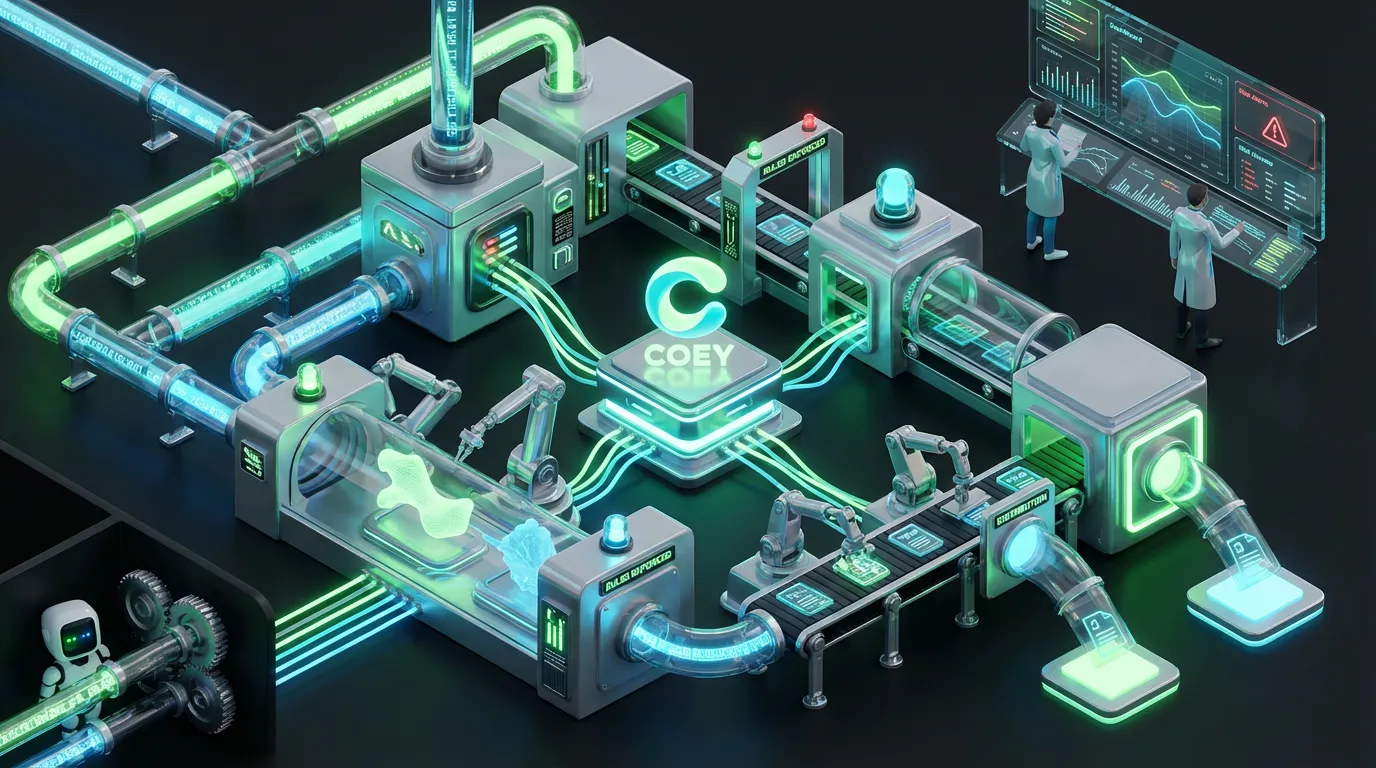
AI Ops (Artificial Intelligence Operations) borrows from the DevOps and MLOps playbooks but goes further: it’s not just about building models or deploying them once. It’s about creating resilient, automated systems that can orchestrate everything from prompt libraries to multi-modal assets, connect to live analytics, adapt to shifting KPIs, and do all this while staying compliant and secure.
Marketing teams, brand strategists, and the rapidly-evolving “creator platforms” are increasingly waking up to the truth: one clever GPT prompt doesn’t cut it. When your competitors have entire AI pipelines—automated idea generation, channel-specific content spinning, A/B testing, real-time feedback loops—being the person who “just knows the right prompt” is like bringing a slingshot to a drone fight.
Under the Hood: Building Your AI Ops Engine
So, what goes into an effective AI Ops stack for marketers and creators? The industry’s recent moves show a clear trajectory:
- Dynamic Prompt Libraries: No more static snippets. Modern stacks use version-controlled prompt libraries that adapt based on live campaign data, audience feedback, and channel analytics. Some platforms now support prompt “mutation,” where AI itself tunes the inputs for optimal brand safety and engagement.
- Model Routing and Chaining: AI Ops isn’t about picking a single LLM and riding it to victory. Leading teams are orchestrating multiple models—open, closed, specialized, or multi-modal—routing tasks dynamically based on data, goals, and cost. If an image model lags, the system reroutes. If a text model’s output drops below engagement benchmarks, it auto-swaps in a new one.
- Real-Time Monitoring, Not Just “Logs”: Dashboards now track model drift, output quality, and business impact. If your content’s click-through rate tanks, the AI Ops pipeline doesn’t wait for you to notice—it tweaks copy, swaps channels, or rolls back model updates proactively.
- Automated Compliance and Guardrails: State and global regulations are nipping at the heels of generative marketing. AI Ops lets you inject audit layers, content filtering, and explainability into every workflow. Human-in-the-loop? Sure, when needed—but only after automation fails.
- Continuous Experimentation and Feedback: The leading ops teams don’t just run A/B tests on outputs. They run multi-arm bandits, reinforcement loops, and even auto-evolving content trees—blending creator intuition with relentless AI-driven optimization.
Why This Matters: From Creators to CMOs
For creators, AI Ops means never getting stuck with a “bad prompt” or chasing a viral trend too late. The system analyzes what’s working (and where), tunes outputs, and keeps your feeds fresh without manual hustle.
For marketers and CEOs, the implications are bigger. Instead of dozens of disconnected automations—one for email, another for PPC, a clunky script for video summaries—AI Ops promises a unified engine. The holy grail? Brand voice, content cadence, and campaign efficacy, all controlled from a single orchestrated layer, no matter how many models or channels you use.
Industry Examples: Who’s Moving Fastest?
While the giants are racing to plug AI Ops into every cloud dashboard, the real innovation is coming from bleeding-edge marketing platforms and creator tools:
- Automated Asset Generation: Instead of prompt marketplaces, teams are launching asset engines that auto-adapt to audience signals and ad network data, mutating images and copy in real-time for higher conversion.
- Multi-Agent Collaboration: Think less “one AI to rule them all” and more coordinated swarms. Text, video, analytics, and compliance agents collaborate within the AI Ops stack to get campaigns live, optimized, and compliant—no handoffs required.
- Continuous Learning Pipelines: Feedback from CRM, socials, and even DTC storefronts train the next batch of prompts and model configurations. Outputs improve not by manual editing, but by autonomous iteration across every touchpoint.
What’s important: these systems aren’t vaporware. Forward-thinking teams are replacing the patchwork of LLM wrappers and Zapier recipes with orchestrated, resilient ops platforms—sometimes built atop open-source frameworks, sometimes wrapped in slick SaaS. The key is not which tool you use, but whether you can connect the dots, automate iteration, and measure what matters.
Challenges: Not All Ops Are Created Equal
Of course, going “full AI Ops” isn’t plug-and-play. The most common pitfalls:
- Overfitting to Prompt Engineering: If your stack can’t adapt when a model changes or a channel’s rules shift, you’re toast. Static prompts break, but so do static workflows.
- Data Privacy and Compliance: Automation introduces risk. Smart teams are layering in traceability, explainability, and fallback mechanisms. If you can’t answer “who saw what, and why?” you’re a breach waiting to happen.
- Talent Gaps: Most marketers aren’t trained ops engineers. But the line between campaign manager and AI workflow designer is blurring fast. The winners are reskilling, hiring, and experimenting—yesterday.
The COEY Take: Future-Proof Your AI Automation
Here’s the blunt truth: marketing teams, creators, and CEOs who keep focusing on “better prompts” will get leapfrogged by those building actual AI Ops. The age of individual prompt gurus is over; the era of scalable, measurable, adaptable AI automation is here.
- Standardize your prompt and workflow libraries. Don’t reinvent for every channel. Use templates, versioning, and feedback loops to tune what works.
- Adopt orchestration, not just automation. Link your AI models, analytics, and compliance tools into a single, monitored ops stack. Swap and reroute models as needed.
- Measure relentlessly, automate improvements. Every output should be tracked against business KPIs, with the system learning and adapting—ideally before you even notice a dip.
AI isn’t magic, and prompt engineering isn’t enough. The real winners are building living, breathing AI Ops engines—ones that keep the flywheel spinning, the campaigns humming, and the competition chasing ghosts. The future is operational. Are you building it?