
Google Veo 3 Global Image-to-Video, Baidu MuseSteamer Launch
Google Veo 3 global image to video launches as Baidu MuseSteamer debuts. What the new tools unlock for AI marketing automation and generative video ad ops.
18 July 2025Team COEY
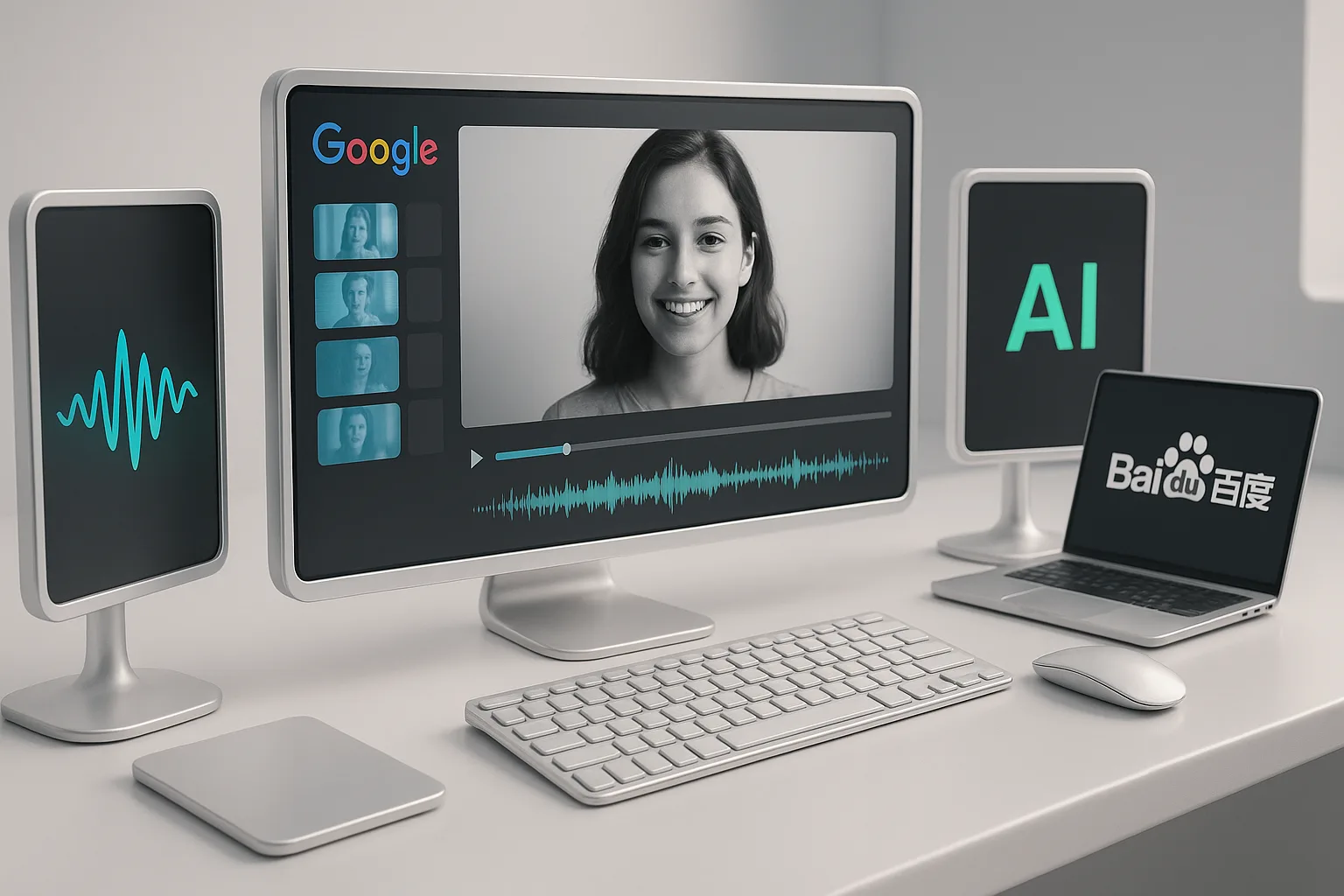
Google Veo 3 Launches Global Image-to-Video for Gemini: The New Standard in Animation Flow
Google’s generative AI video push reached a new milestone this week: Veo 3’s photo-to-video feature, previously teased at I/O, is live for Gemini Ultra and Pro subscribers in over 150 countries worldwide. This headline update allows users to upload any photo and, with a prompt description, animate the image into a seamless eight-second video complete with synchronized soundtrack. The workflow instantly bridges static storyboards to motion, empowering digital creators, marketers, and journalists to build animated stories with zero shot-framing or editing friction.
End-to-End Simplicity: In the Gemini app (mobile or web), select a photo, describe the desired motion and sound, and generate a shareable or downloadable video block within seconds. This removes hurdles for professionals and enthusiasts alike, delivering cinematic motion and audio straight from concept.
Copyright and Safety Built-In: Every Veo 3 video applies visible watermarks and the invisible, cryptographically verifiable SynthID to identify synthetic content online.
Global Accessibility: With extended clip quotas for Ultra (and three per day for Pro), the new rollout makes cutting-edge animation accessible far beyond Silicon Valley, democratizing video-based storytelling at planetary scale.
Early adopters are already using Veo 3’s feature to create explainer videos, quick ads, tutorial intros, and journalistic content powered by instant scene transitions and realistic audio settings. The global reach sets a bar for competitors, what used to require expensive postproduction pipelines is now real-time and widely available.
Baidu MuseSteamer: July Launch Brings 10-Second AI Image-to-Video for Businesses
On July 2, Baidu released MuseSteamer, its advanced image-to-video generator geared towards business users and professional workflows. MuseSteamer uniquely offers three service tiers, Turbo, Pro, and Lite, supporting fast production of 10-second, high-fidelity video clips based on single images.
Enterprise-Grade Capability: Launched exclusively for businesses and research teams, MuseSteamer generates fully animated sequences from static photographs with a strong focus on robustness and natural motion.
Point-and-Click Simplicity: Businesses can deploy MuseSteamer’s AI to quickly visualize ads, simulations, and promotional content straight from concept art or storyboard snapshots, greatly speeding up creative production cycles.
Chinese Innovation, Global Implications: While initially released in China, the competitive move shows the increasing pace of high-level AI video breakthroughs among Chinese giants, matching or exceeding Western feature sets at speed and scale.
Industry observers note that MuseSteamer’s smooth, 10-second image-to-video synthesis and tiered service structure signal a shift toward production-grade AI video tools for enterprise and commercial R&D. This makes Baidu a player to watch as AI video matures from lab novelty to an everyday creative workhorse.
Open-Source and Emerging Video Models, What’s New for July?
Midjourney V1: Focused on quality-driven video generation, Midjourney’s first official image-to-video model became widely available in June and is making creator waves this month. It allows users to upload a still image and instantly receive four, five-second video variations, with advanced prompt and style controls. As of July, creator usage and benchmarking remain high, especially among those seeking stylized, non-photoreal render performance.
Aquarius: Announced late June, Aquarius is an industry-grade model designed for marketers, offering features like video inpainting, long-form avatars, and multi-aspect-ratio creation. Early reports in July suggest it’s being piloted by agencies for advanced promotion and personalization tasks.
MAGI-1: Now available for research, MAGI-1 is a 24-billion parameter video transformer optimized for speed, low memory, and long-range chunked video generation. Its practical breakthrough for July? Handling super-long video synthesis without the artifacting typical in smaller models.
Open- Sora 2 .0: As of this week, Open-Sora 2.0 further cements open-source’s place in commercial-grade video generation, proving that sub-million dollar budget models can deliver surprisingly robust output for researchers and startups.
These open models and tools, many now deployed in real-world settings, highlight that the generative video race is as much about accessible infrastructure as jaw-dropping demos, enabling a steady, rapid wave of grassroots innovation worldwide.