COEY Cast Episode 171
Sol, Terra, Luna Behind Velvet Ropes; Open Source Video Steps Up
Sol, Terra, Luna Behind Velvet Ropes; Open Source Video Steps Up


Episode Overview
06/30/2026
Sol Terra Luna is shaping up to be a velvet rope moment for frontier AI. We break down what gated access means for creators and marketers and why your stack should route by job not hype. Think cheap models for volume stronger models for synthesis and humans for taste and accountability. We cover Grok 4.5 testing inside real world ops plus the upside and risk of native distribution on X for social listening. Then we dig into AI video with Kling Vidu and the open source wave around Sand AI and how to avoid generating glossy nonsense. The takeaway is simple build model agnostic workflows today so better tools can plug in tomorrow.
Episode Transcript
Hunter: It is Tuesday, June thirtieth, twenty twenty-six, and somehow it is also Meteor Watch Day, which feels correct because the AI news cycle has been entering Earth’s atmosphere at unsafe speed. You are listening to COEY Cast. I’m Hunter.
Riley: And I’m Riley. Happy Tuesday, happy sky rock day, happy whatever this model rollout mess is. Also, quick heads up, this episode was assembled by a small choir of machines doing little handoffs behind the curtain, so if a robot sneezes in the edit, we respect the craft and keep moving.
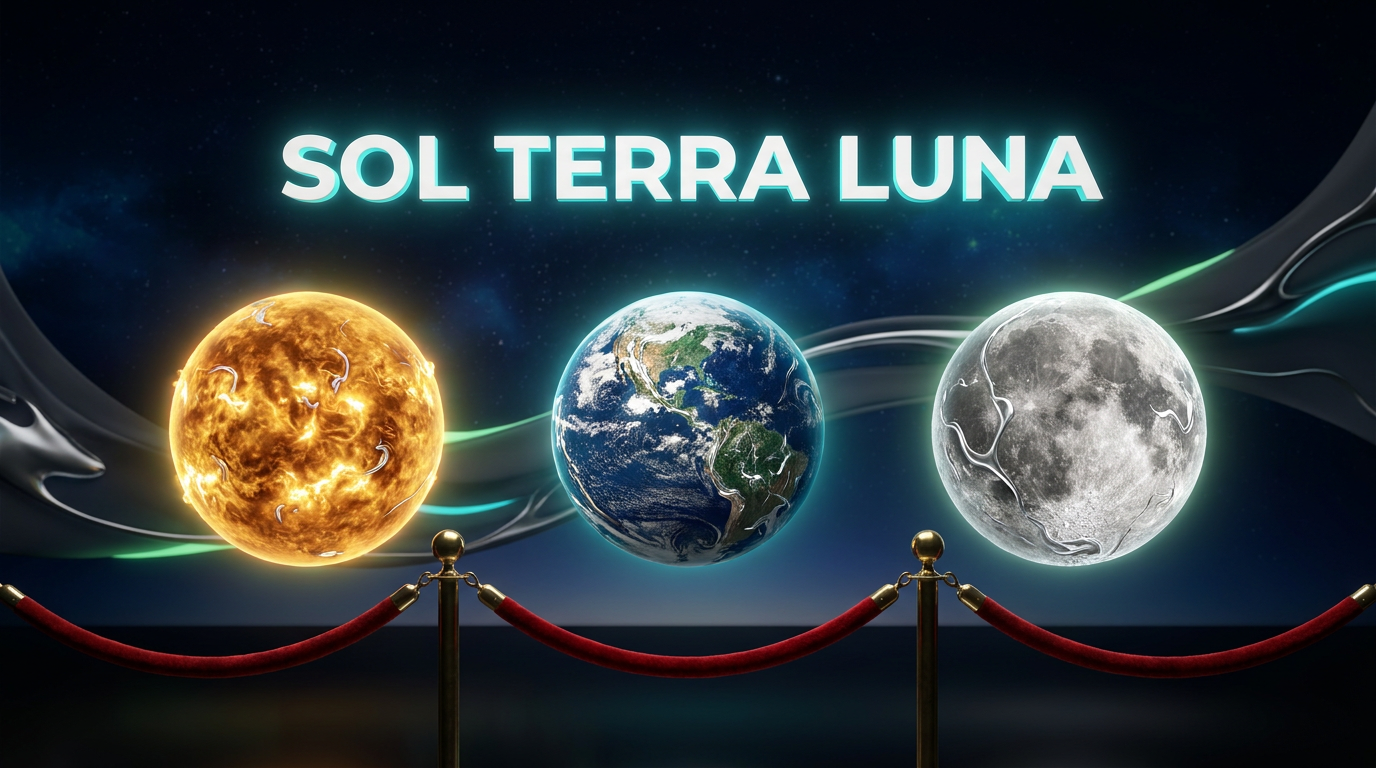
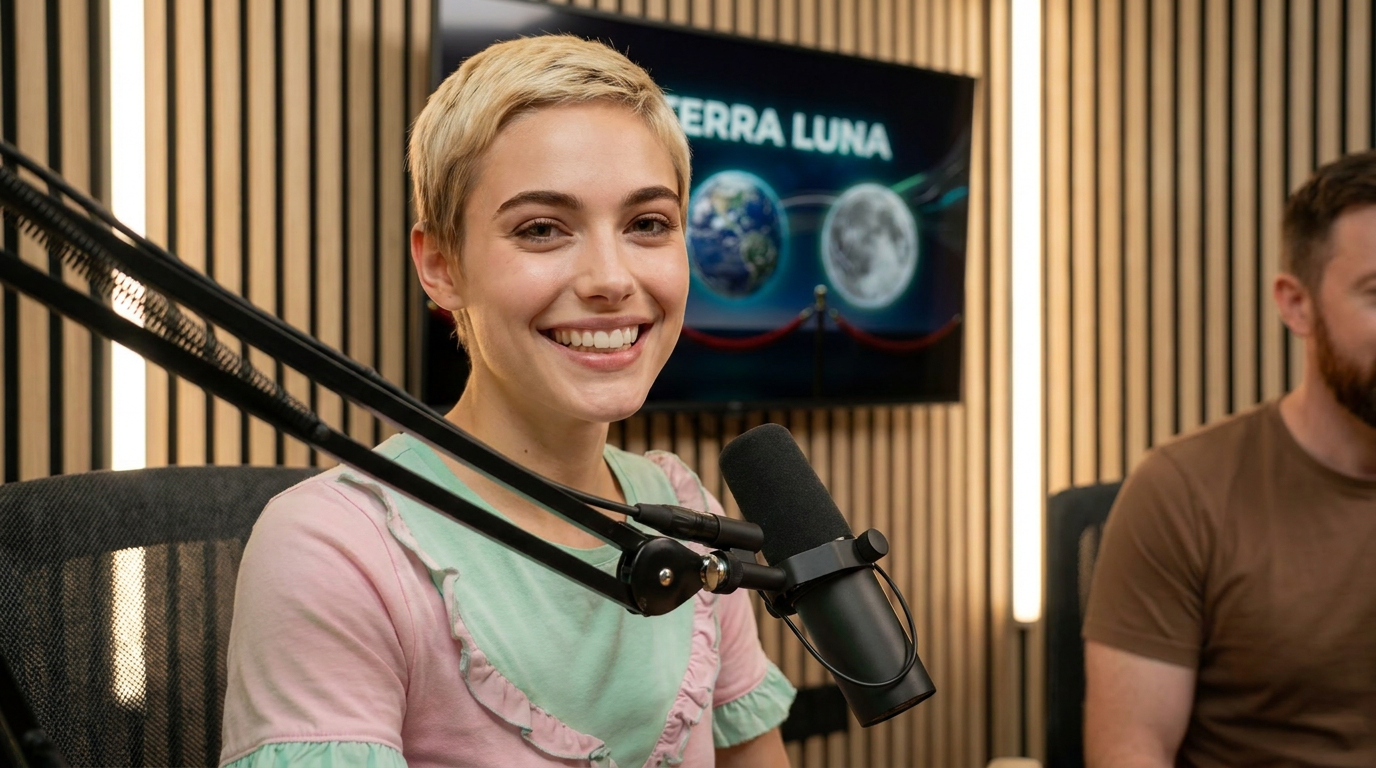
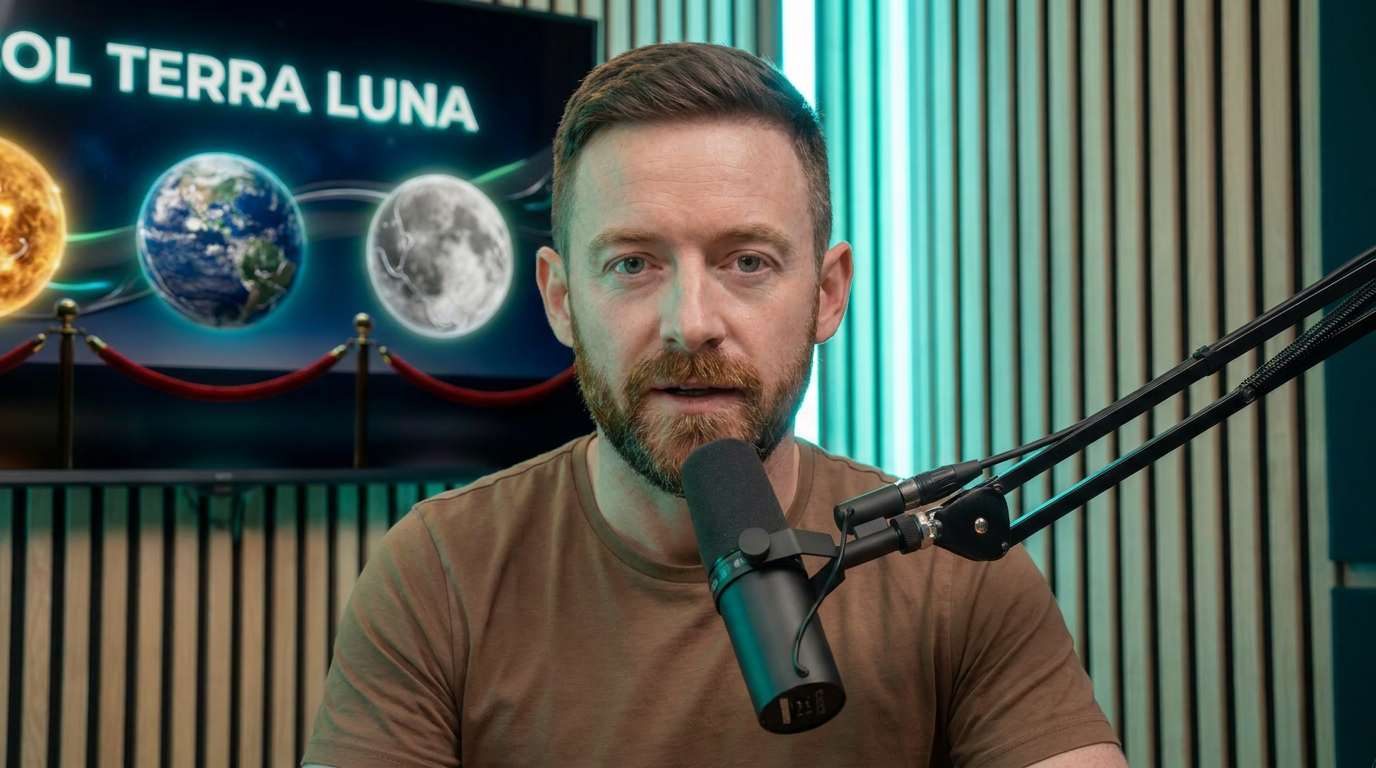
Hunter: Yeah, this show is basically an automation relay race with microphones. Today we’ve got a big one. OpenAI’s reported GPT-five-point-six family, with Sol, Terra, and Luna, looks like the biggest model story right now. But the twist is it sounds less like, hey everybody come try the new toy, and more like a velvet rope situation for approved companies.
Riley: Which is so funny because the timeline acts like every new frontier model is dropping straight into everybody’s laptop by lunch. And then reality is like, no babe, this one is for select enterprise adults with account reps and budget meetings.
Hunter: Totally. And if those reports hold, the real lesson for marketers is not, chase Sol. It’s, build a system that does not depend on Sol existing in your life at all.
Riley: Wait, say that again because people need it tattooed on their prompt library.
Hunter: Don’t build your AI strategy around the model you can’t touch. Build around jobs. If a smaller team is planning automation, you want a workflow that works with what’s available now, then improves when a stronger model shows up. Not the other way around.
Riley: Yes. This is the part where people want one magical chatbot to run the whole company, write the campaign, edit the video, do the QA, fix the CRM, maybe heal their inner child. And, um, no. The Sol, Terra, Luna thing actually makes more sense as a tiered stack.
Hunter: Exactly. The blog coverage we just published on this was basically that model choice is turning into workflow strategy. Sol for hard reasoning, Terra for the day-to-day workhorse role, Luna for cheaper high-volume tasks. Honestly, that’s healthier than pretending every request deserves the fanciest model in the building.
Riley: It’s giving good, cheaper, cheapest, but make it operational. And I mean that in a good way. Because for creators and marketers, a lot of your workflow is not frontier genius work. It’s tagging assets, summarizing calls, drafting variants, sorting feedback, cleaning transcripts, reformatting copy.
Hunter: Right, and if you use a flagship model for all of that, you’re basically hiring a rocket scientist to alphabetize your sock drawer.
Riley: Hah. Fancy socks, though.
Hunter: Very expensive socks.
Riley: But here’s where I want to push you a little, Hunt. The danger is people hear model tiers and think, cool, I need a routing architecture, seven vendors, fifteen automations, and a dashboard that looks like a spaceship.
Hunter: Fair. You do not need to cosplay as a model router startup on day one.
Riley: Thank you. For a smaller team, tiering can just mean this. Use one cheaper reliable model for bulk tasks, one stronger model for synthesis and judgment, and keep a human checkpoint before anything public goes out. That’s already a grown-up workflow.
Hunter: I agree. Start simple. This is the same thing we’ve been saying around VibeVoice and the audio stack too. The model matters, but the workflow matters more. A better system beats blindly upgrading the brain every week.
Riley: Also, can we talk about the government review angle? Because if frontier access is getting slowed by U.S. review, there’s a real tension here. On one hand, yes, please do safety work before handing god-tier models to everyone with a Zap and a dream. On the other hand, it can create an AI country club.
Hunter: Yeah. That’s the uncomfortable line. Responsible oversight is necessary, especially if these systems are stronger in security, biology, or agent-style execution. But if access only lands with giant approved enterprises first, smaller teams get pushed into a weird position where they’re expected to compete against capabilities they can’t test.
Riley: Which is kind of the history of tech, honestly. Early cloud, early ad platforms, early creator monetization tools, same pattern. The cool stuff shows up in private, then the masses get a cleaned-up version later. The difference now is the speed. If the frontier moves every few weeks, delayed access is a bigger disadvantage.
Hunter: That’s why durable automation has to be model-agnostic where possible. Your prompt layer, your approval logic, your data inputs, your triggers, your review steps, those should survive if you swap OpenAI for Anthropic, or xAI, or an open model later.
Riley: Ah, which brings us to Grok. Because xAI is all over X right now with reports that Grok four point five is in private beta inside Tesla and SpaceX. That part interests me almost more than the benchmark chest-thumping.
Hunter: Same. If a model is getting tested in messy internal operations before the glossy public demo, that’s useful signal. Real companies are chaotic. They have weird files, broken processes, half-documented tasks, human bottlenecks. If the model survives that, I care more than I care about a leaderboard screenshot.
Riley: Yes. Benchmarks are like dating app photos. Real workflow is, can this thing handle the weird group chat, the ugly spreadsheet, and the intern’s file naming system from hell.
Hunter: That’s, uh, unfortunately perfect.
Riley: Thank you. But the other big thing with Grok is native distribution through X. And that matters. If the platform owns the conversation and the model reading the conversation, social listening gets very powerful very fast.
Hunter: And potentially very biased very fast. That’s the tradeoff. For brand response automation, trend detection, creator monitoring, and live campaign tuning, having the model close to the stream is an advantage. But you also have to ask whose lens is shaping the interpretation.
Riley: Exactly. If your listening tool lives inside the platform, it can be insanely fast, but it might also nudge you toward whatever the platform wants to amplify. So marketers should use it, sure, but not as the only source of truth.
Hunter: Multiple inputs. Always. And if xAI really does move to faster release cycles through next year, then the play is not rebuilding your whole stack every Tuesday. It’s testing models in bounded lanes. Give a new model one job. Maybe summarization. Maybe social categorization. Maybe draft generation. Let it earn trust.
Riley: Oh, I love that. Tiny auditions, not instant marriage.
Hunter: Exactly.
Riley: Now, speaking of creative chaos, AI video is having a moment. Kling going public is big. Vidu keeps updating. And people are especially hyped about Sand AI as an open-source video play. This is where every marketing team starts saying, we just need a quick video concept, and then five minutes later somebody asks for forty-seven emotionally distinct versions by lunch.
Hunter: Which, to be fair, is now closer to possible than most teams are emotionally prepared for.
Riley: Literally. And that’s the opportunity and the trap. Broader access to production-grade video means small teams can storyboard ads, mock up product visuals, test hooks, localize scenes, and iterate much faster. Huge win.
Hunter: But if you don’t have taste and process, you just generate a mountain of glossy nonsense faster.
Riley: Mmm. Infinite mediocre ads, my old enemy.
Hunter: Open-source video could become a real equalizer, though. Especially for privacy, control, custom workflows, and cost. We’ve seen that pattern already with open models more broadly. More control, less lock-in, but more responsibility.
Riley: And maybe more chaos on one person’s laptop that legal absolutely did not approve.
Hunter: Also true.
Riley: I think the practical split is this. Open source is amazing as an experimentation playground and, in some orgs, a privacy-first backbone. But not every team wants to own the whole stack. Some people want the hosted button that just works.
Hunter: Yeah. There’s no virtue in self-hosting if your team can’t maintain it. The best stack is the one your actual humans can run consistently.
Riley: Human plus machine. There she is.
Hunter: There she is. And that’s the throughline today. Whether it’s Sol behind a velvet rope, Grok learning inside chaotic internal ops, or Kling and Vidu making video workflows faster, the winners are not the teams with access to every shiny model first. It’s the teams that design sane systems.
Riley: Systems with backup plans. Systems with review. Systems where the human still owns taste, risk, brand voice, and the final yes. Because, um, sorry to every overexcited agent demo, but no, I do not want an autonomous workflow emailing the CEO a half-baked campaign idea at two in the morning.
Hunter: Strongly agree. Give agents bounded tasks before you give them social freedom.
Riley: That should be on a T-shirt.
Hunter: Riles, before we land this meteor, what’s your one takeaway for creators and marketers today?
Riley: Stop waiting for the perfect model invite. Build the repeatable workflow now. If Sol shows up later, great. If Grok gets better, cool. If open-source video pops off, amazing. But your advantage is not access flexing. It’s being ready to plug better tools into a system that already works.
Hunter: Mine is similar. Route by job, not hype. Cheap models for volume, stronger models for judgment, humans for taste and accountability. That’s how you make the AI chaos useful.
Riley: Boom. Thanks for hanging with us on COEY Cast on this lovely Meteor Watch Day. Please celebrate responsibly and do not promise your boss fully autonomous creative nirvana by end of day.
Hunter: Thanks for listening. Check out COEY.com slash resources for AI news and updates, and make sure you subscribe so you don’t miss the next one.
Riley: Catch you later, and if you spot a meteor or a new model drop tonight, honestly, same energy.
Hunter: See you next time.